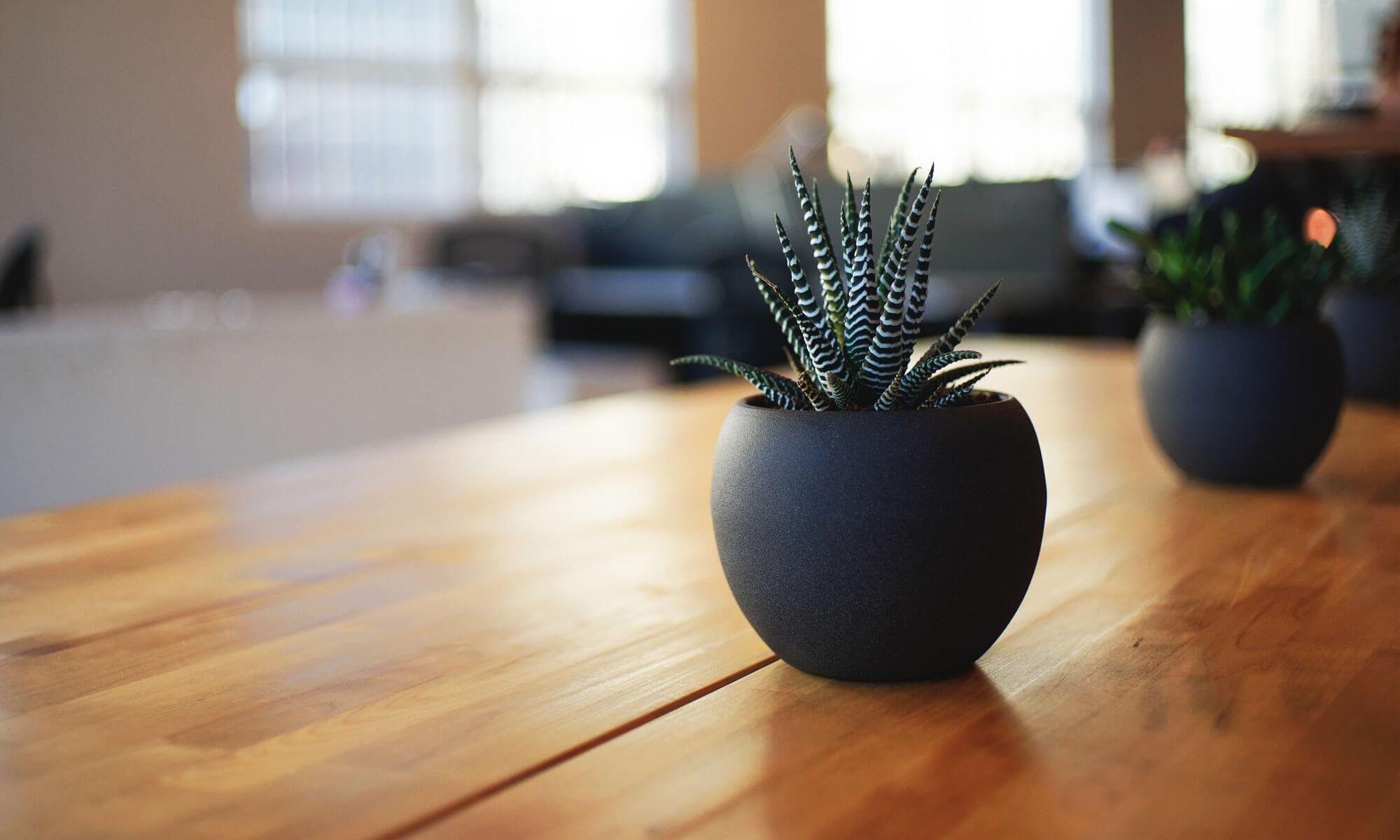
- Remarkable collections and spinkings offer unique interior design possibilities
- The Allure of Curated Collections
- Developing a Cohesive Aesthetic
- The Rise of 'Spinkings' as Focal Points
- Selecting Statement Spinkings
- Integrating Collections and Spinkings for Harmony
- Layering and Arrangement Techniques
- The Influence of Global Aesthetics
- Beyond Decoration: Spinkings as Storytellers
Remarkable collections and spinkings offer unique interior design possibilities
The world of interior design is constantly evolving, with new trends and materials emerging to redefine how we perceive and interact with our living spaces. Among these innovations, the concept of carefully curated collections and, specifically, spinkings, is gaining prominence. These aren’t merely decorative items; they represent a thoughtful approach to aesthetic arrangement, a deliberate blending of artistry and personal expression. They’re about creating a visual narrative within a home, transforming it into a reflection of the inhabitant’s unique story and tastes.
The appeal of these carefully assembled groupings lies in their ability to elevate a room beyond mere functionality. A well-placed collection, or thoughtfully chosen spinkings, can become a focal point, sparking conversation and adding layers of depth and character. It's a move away from mass-produced uniformity and toward a more individualized and personalized aesthetic, a desire for items that possess a history, a particular quality, or a connection to the owner’s experiences. This trend resonates with a growing desire for authenticity and a rejection of disposable consumerism.
The Allure of Curated Collections
Curated collections, encompassing everything from antique porcelain to modern art prints, offer a powerful way to define a space. The key to a successful collection isn’t necessarily the monetary value of the items, but rather the cohesive theme or aesthetic that binds them together. This theme can be based on color, material, historical period, or even a more abstract concept like emotion or memory. For instance, a collection of vintage travel posters can evoke a sense of wanderlust, while a grouping of ceramic vessels in earthy tones might create a calming, organic atmosphere. The power lies in the narrative, the story the collection tells about its creator and their passions. Building a collection isn't about simply accumulating objects; it’s about intentionally composing a visual poem.
Developing a Cohesive Aesthetic
Starting a curated collection can seem daunting, but it doesn’t require a vast budget or years of searching. Begin by identifying a theme that genuinely interests you. This could be anything from antique keys to botanical illustrations. Then, focus on acquiring pieces that fit within that theme, paying attention to details like color palette, texture, and size. Don’t be afraid to mix and match different styles or periods, as long as the overall aesthetic remains harmonious. Consider the placement of the collection – will it be displayed on a gallery wall, arranged on a shelf, or showcased in a glass cabinet? The presentation is just as important as the items themselves. The goal is to create a visual impact that is both pleasing and meaningful.
| Collection Type | Typical Price Range (USD) |
|---|---|
| Vintage Postcards | $5 – $50 per card |
| Antique Teacups | $20 – $200 per cup |
| Mid-Century Modern Pottery | $50 – $500 per piece |
| Botanical Prints | $30 – $300 per print |
As you can see, it’s possible to start a captivating collection without a huge financial investment. Patience and a discerning eye are far more valuable than a hefty bank account. Remember that the true value of a collection lies in its personal significance, not its market price. Building a collection is a slow and rewarding process. It's a testament to your personal taste and a reflection of your journey.
The Rise of 'Spinkings' as Focal Points
Within the broader realm of curated collections, a more focused trend is emerging: the deliberate use of "spinkings" – unique, often unusual, objects chosen for their individual aesthetic impact. These aren’t necessarily pieces that form part of a larger collection; rather, they stand alone as statement pieces, adding a touch of personality and intrigue to a room. A spinking might be a vintage globe, a handcrafted sculpture, or a brightly colored ceramic animal. The key characteristic is its ability to draw the eye and spark conversation. These individual objects serve as anchors for a room’s design, contributing a distinct energy and focal point.
Selecting Statement Spinkings
Choosing the right spinking requires careful consideration of the surrounding décor and the overall atmosphere you want to create. A bold, colorful piece might work well in a minimalist space, providing a much-needed pop of visual interest. Conversely, a more subdued and understated spinking might be better suited to a room with already busy patterns and textures. Think about the scale of the object in relation to the space – a large sculpture might overwhelm a small room, while a tiny trinket could get lost in a large one. Don't be afraid to experiment with different styles and materials until you find something that truly resonates with you. The most successful spinkings are those that reflect your personal taste and add a touch of the unexpected.
- Consider the Color Palette: Does the spinking complement or contrast with the existing colors in the room?
- Think About Texture: Will the spinking add visual interest through its texture?
- Assess the Scale: Is the spinking appropriately sized for the space?
- Evaluate the Material: Does the material of the spinking fit with the overall aesthetic?
- Factor in Personal Connection: Does the spinking evoke positive emotions or memories?
The art of selecting spinkings lies in finding that perfect balance between aesthetic appeal and personal resonance. The goal is to create a space that feels both stylish and inviting, a reflection of your own unique personality. Ultimately, it’s about showcasing objects that you love and that bring you joy.
Integrating Collections and Spinkings for Harmony
The most successful interior designs seamlessly integrate curated collections and individual spinkings, creating a cohesive and harmonious aesthetic. This doesn’t mean that everything has to match perfectly; in fact, a little bit of contrast can add visual interest and prevent the space from feeling too sterile. The key is to find common threads that tie the different elements together – a recurring color, a similar texture, or a shared theme. For example, a collection of vintage botanical prints might be paired with a single, striking ceramic bird, both sharing a connection to the natural world. The spinking adds a focal point and injects a bit of personality into the arrangement.
Layering and Arrangement Techniques
When arranging collections and spinkings, consider the principles of layering and visual balance. Start with the larger pieces and build outwards, adding smaller items to fill in the gaps. Play with different heights and depths to create a sense of dynamism. Don’t be afraid to group objects in odd numbers, as this tends to be more visually appealing than even numbers. Use different textures and materials to add visual interest and prevent the arrangement from feeling flat. For example, a grouping of ceramic vases might be paired with a metal sculpture or a natural wood bowl. Remember that experimentation is key – try different arrangements until you find something that feels right. It is helpful to take some step-back to view the arrangement, to see the overall shape of the display.
- Start with a Focal Point: Identify the most important piece in the collection or the spinking.
- Layer the Arrangement: Add smaller pieces around the focal point, creating depth and visual interest.
- Consider Balance: Distribute the weight of the objects evenly to create a sense of stability.
- Play with Texture: Incorporate different textures and materials to add visual appeal.
- Step Back and Evaluate: Take a step back to assess the overall arrangement and make any necessary adjustments.
By carefully layering and arranging collections and spinkings, you can create a space that is both visually stunning and deeply personal, a true reflection of your own unique style and tastes. It takes a sense of balance and a willingness to experiment in order to reach perfection.
The Influence of Global Aesthetics
The current trend towards curated collections and spinkings is heavily influenced by global aesthetics and a growing appreciation for diverse cultural traditions. We are seeing a rise in the use of handcrafted objects from around the world, showcasing the skills and artistry of artisans from different cultures. This includes everything from Moroccan rugs and Japanese ceramics to African sculptures and Scandinavian textiles. The appeal lies in the unique stories and histories embedded within these objects, as well as their inherent beauty and craftsmanship. Incorporating these global influences into your home adds a sense of authenticity and cultural richness, creating a space that feels both sophisticated and inviting.
Beyond Decoration: Spinkings as Storytellers
The evolution of interior design is steadily moving away from purely aesthetic concerns and towards a greater emphasis on storytelling and personal expression. Spinkings, in this context, are more than just decorative items; they are tangible reminders of experiences, memories, and passions. A vintage camera might evoke cherished travel adventures, a handmade quilt might represent a family heirloom, or a piece of local art might celebrate a beloved community. By carefully selecting spinkings that resonate with your personal narrative, you can transform your home into a living, breathing testament to your life’s journey. These objects aren't simply displayed; they are shared, discussed, and cherished, becoming conversation starters and focal points for connection. This approach to design prioritizes meaning and authenticity over trends and superficiality.
The beauty of this approach is that there are no hard and fast rules. The most important thing is to create a space that feels authentic to you, a reflection of your unique personality and experiences. Whether you choose to focus on a specific theme, embrace a global aesthetic, or simply collect objects that you love, the key is to approach the process with intention and creativity. The result will be a home that is not only visually appealing but also deeply meaningful and enriching. This is the future of interior design: personalized and authentic spaces that tell compelling stories.