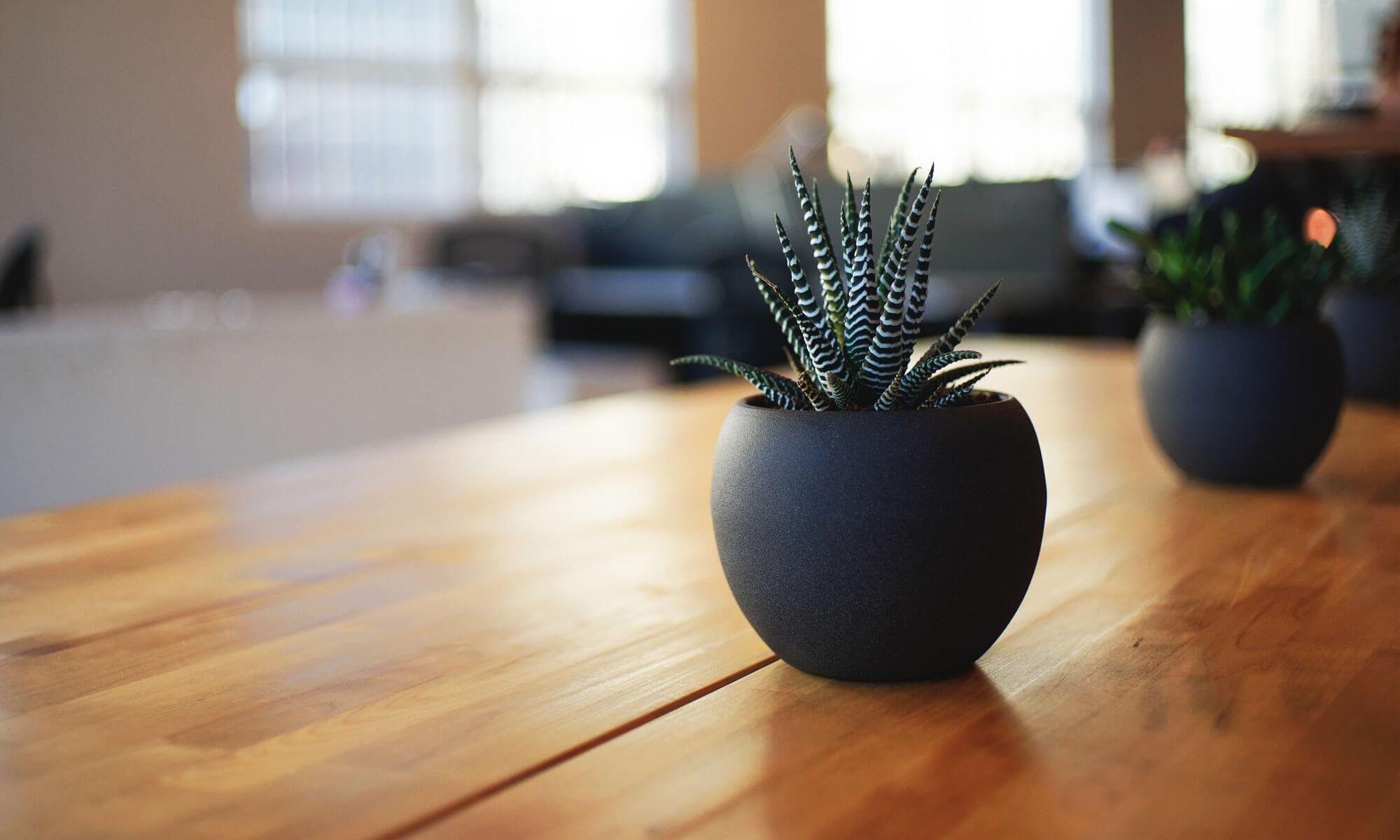
- Detailed analysis reveals captivating stories behind intricate spinkings and cultural significance
- The Historical Roots of Spinking Traditions
- Regional Variations in Early Spinking Practices
- Techniques and Materials in Contemporary Spinking
- The Role of Color and Symbolism
- The Cultural Significance of Spinkings Today
- Spinkings as a Medium for Social Commentary
- The Global Appeal and Contemporary Art Scene
- Emerging Trends and Future Directions
Detailed analysis reveals captivating stories behind intricate spinkings and cultural significance
The world of intricate crafts and cultural expressions is brimming with fascinating traditions, and among them, the art of creating spinkings holds a unique position. Often overlooked in mainstream discussions, these carefully constructed arrangements represent a deep-seated connection to history, symbolism, and artistic skill. From their origins in ancient rituals to their modern-day interpretations, spinkings offer a captivating glimpse into the beliefs and customs of various communities across the globe. This exploration delves into the multifaceted world of spinkings, uncovering their stories, techniques, and enduring significance.
These are rarely simple decorations; spinkings often serve a purpose beyond mere aesthetics. They can be integral parts of ceremonies, expressions of social status, or even believed to possess protective properties. The materials used in their creation – natural fibers, precious metals, vibrant dyes – all contribute to the story they tell. Understanding spinkings requires a sensitivity to the cultural context from which they emerge, and an appreciation for the artistry involved in their creation. Their appeal lies not only in their visual beauty but also in the narratives woven into their very fabric.
The Historical Roots of Spinking Traditions
Tracing the origins of spinking traditions presents a complex challenge, as the practice has evolved independently in numerous cultures throughout history. Early examples often emerge from ritualistic contexts, where intricate arrangements of materials were believed to hold spiritual power. Archaeological evidence suggests that forms akin to spinkings were used in ancient ceremonies designed to honor deities, invoke blessings, or commemorate significant life events. These early iterations often incorporated natural elements – leaves, flowers, feathers – and were ephemeral in nature, deliberately designed to be dismantled or returned to the earth after the ritual's completion. Over time, techniques were refined, and more durable materials were incorporated, transforming spinkings from transient ritual objects into enduring works of art and symbols of social status.
Regional Variations in Early Spinking Practices
The specifics of early spinking practices varied significantly depending on the geographic location and cultural beliefs of the communities involved. In some regions, spinkings were closely linked to agricultural cycles, with elaborate arrangements created to ensure a bountiful harvest or to celebrate the changing seasons. Other cultures associated spinkings with funerary rites, using intricate designs to honor the deceased and guide their spirits to the afterlife. The materials employed also reflected the local environment – coastal communities often incorporated seashells and marine plants, while inland tribes utilized wood, bark, and animal hides. This diversity highlights the adaptability of the spinking tradition and its ability to integrate seamlessly into the unique cultural landscape of each region.
| Region | Dominant Materials | Primary Function |
|---|---|---|
| Coastal Polynesia | Seashells, Feathers, Palm Leaves | Ritualistic Offerings, Status Symbols |
| Andean South America | Alpaca Wool, Dyed Fibers, Silver | Ceremonial Dress, Community Identity |
| Central African Kingdoms | Beads, Raffia, Animal Hide | Royal Regalia, Ancestor Veneration |
| Siberian Tribes | Wood, Bone, Animal Fur | Shamanistic Practices, Protective Charms |
The enduring legacy of these early spinking practices is evident in the continued relevance of the tradition today, with contemporary artists drawing inspiration from ancestral techniques and incorporating them into their modern creations.
Techniques and Materials in Contemporary Spinking
Modern spinking encompasses a wide range of techniques and materials, reflecting its evolution from traditional practices to a dynamic art form. While some artisans continue to adhere to time-honored methods, others experiment with new technologies and unconventional materials, pushing the boundaries of the craft. Traditional techniques often involve intricate knotting, weaving, braiding, and coiling, requiring immense skill and patience. The choice of materials is equally important, with artisans carefully selecting components that complement the overall design and convey the desired message. Natural fibers like silk, cotton, and hemp remain popular choices, but contemporary spinkings also incorporate materials such as metal wire, glass beads, plastic, and even recycled materials.
The Role of Color and Symbolism
Color plays a crucial role in spinking, often imbued with specific symbolic meanings. Traditional color palettes are frequently derived from natural sources, with dyes extracted from plants, minerals, and insects. Each color can represent a particular emotion, belief, or aspect of the natural world. For example, red might symbolize passion or vitality, while blue could represent tranquility or spirituality. Symbolism extends beyond color to encompass the overall design and arrangement of the spinking. Motifs, patterns, and shapes can all carry hidden meanings, reflecting the cultural heritage and personal beliefs of the artist. A deep understanding of these symbolic elements is essential for interpreting the full significance of a spinking.
- The use of natural dyes emphasizes connection to the earth.
- Intricate knotting symbolizes interconnectedness and complexity.
- Spiral designs often represent growth and renewal.
- Geometric patterns can embody cosmological beliefs.
The blending of traditional techniques with modern materials allows contemporary artists to create spinkings that are both aesthetically striking and deeply meaningful, attracting a growing audience of collectors and enthusiasts.
The Cultural Significance of Spinkings Today
Despite the passage of time, spinkings continue to hold significant cultural importance in many communities around the world. They often serve as powerful symbols of identity, heritage, and social cohesion. In some cultures, spinkings are still used in traditional ceremonies, reaffirming their role as integral parts of ritual practice. They can also be displayed in homes and public spaces as expressions of cultural pride and artistic creativity. The creation of spinkings often fosters a sense of community, with artisans collaborating and passing down their skills to younger generations. This intergenerational transmission of knowledge ensures that the tradition remains vibrant and relevant for years to come.
Spinkings as a Medium for Social Commentary
Beyond their role as cultural symbols, spinkings are increasingly being used as a medium for social commentary and artistic expression. Contemporary artists are using spinking techniques to address a wide range of issues, including environmental concerns, political injustice, and cultural preservation. By incorporating provocative imagery and unconventional materials into their creations, they challenge viewers to confront difficult questions and engage in critical dialogue. This fusion of artistry and activism transforms spinkings from purely aesthetic objects into powerful statements of social and political awareness. The capacity of spinkings to evoke emotion and stimulate thought makes them a particularly effective form of communication in today’s complex world.
- Promoting awareness of endangered cultural traditions.
- Advocating for environmental sustainability.
- Challenging societal norms and power structures.
- Celebrating diversity and inclusivity.
The adaptability of the spinking tradition has enabled it to evolve and respond to contemporary challenges, ensuring its continued relevance in the 21st century.
The Global Appeal and Contemporary Art Scene
The artistic merit of spinkings has garnered increasing recognition within the global art scene. Exhibitions featuring spinkings from diverse cultural backgrounds are becoming more common, attracting both art collectors and general audiences. The unique aesthetic qualities of spinkings – their intricate designs, vibrant colors, and textural complexity – appeal to a wide range of tastes. Moreover, the cultural stories embedded within each spinking add another layer of depth and intrigue, captivating viewers and sparking curiosity. The growing interest in sustainable and ethically sourced art has also contributed to the popularity of spinkings, as many artisans utilize natural materials and traditional techniques that minimize environmental impact.
Emerging Trends and Future Directions
The world of spinking is constantly evolving, with new trends and innovations emerging all the time. One notable trend is the integration of digital technologies, with artists using computer-aided design and 3D printing to create complex and unconventional spinking designs. Another trend is the exploration of mixed media, combining traditional spinking techniques with other art forms such as painting, sculpture, and photography. Furthermore, there is a growing emphasis on collaborative artistry, with artists from different cultural backgrounds working together to create hybrid spinkings that reflect their shared experiences and perspectives. These developments suggest a bright future for the spinking tradition, as artists continue to push the boundaries of the craft and explore new avenues of expression.
The fusion of ancient wisdom and modern innovation ensures that the art of spinking will continue to captivate audiences for generations to come. Looking ahead, the continued exploration of sustainable materials and ethical production practices will be paramount, ensuring that the tradition remains aligned with values of environmental responsibility and cultural preservation. The increasing visibility of spinkings in the global art market will also play a crucial role in supporting artisans and promoting cultural exchange, fostering a deeper appreciation for this remarkable art form and the rich cultural heritage it represents.