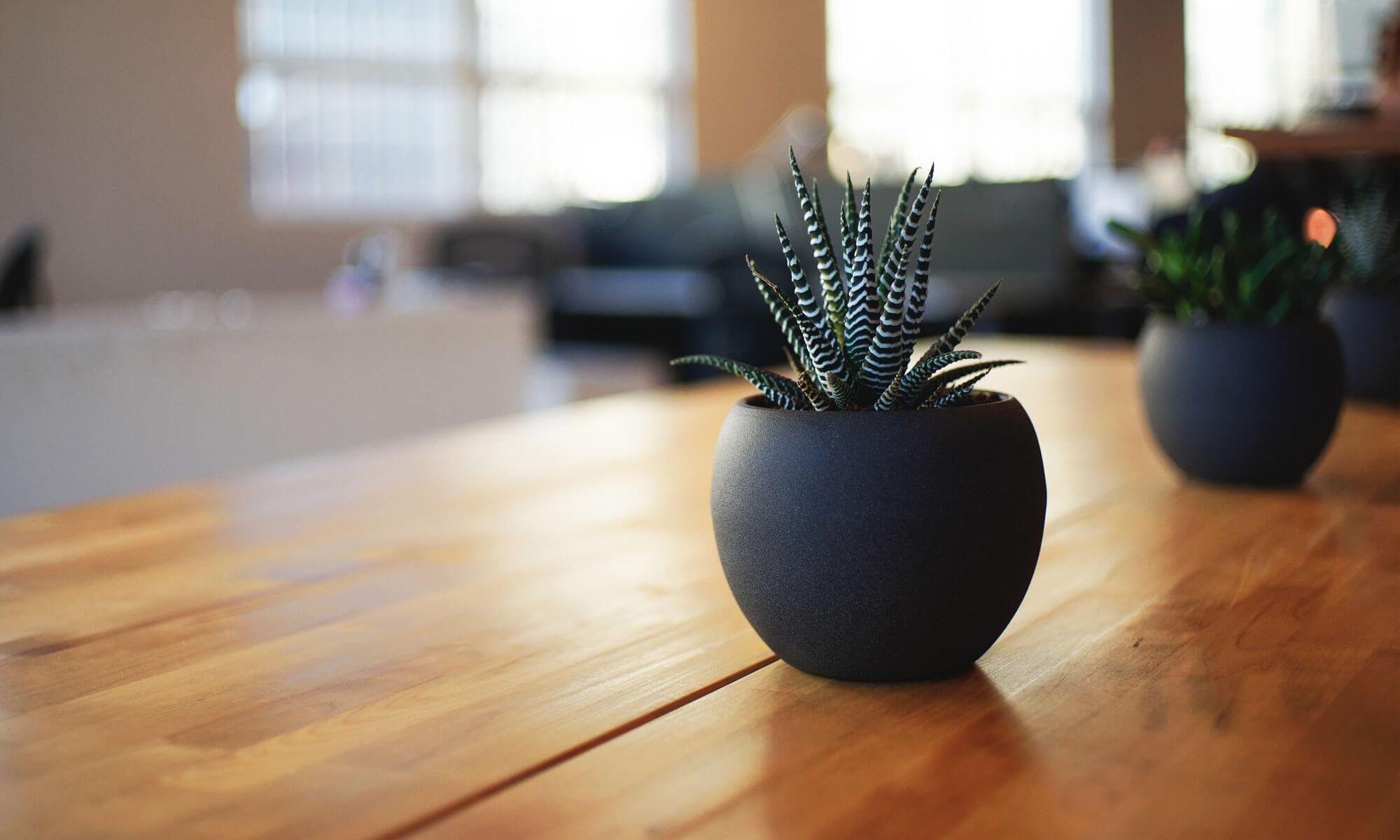
- Distinctive textiles and https://casoolas.eu elevate interior design with timeless artistry
- The Art of Weaving: Exploring Textile Traditions
- The Influence of Natural Fibers
- Color and Pattern: The Language of Textiles
- Trends in Textile Design
- The Role of Texture in Interior Spaces
- Layering Textiles for Depth and Warmth
- Innovations in Textile Technology and Sustainability
- Beyond Aesthetics: The Functional Benefits of Textiles
Distinctive textiles and https://casoolas.eu elevate interior design with timeless artistry
The world of interior design is constantly evolving, driven by a desire for spaces that are not only aesthetically pleasing but also reflective of individual personality and enduring quality. At the heart of creating such environments lies the careful selection of textiles – fabrics that breathe life into rooms, adding texture, color, and a sense of warmth. Discovering a source for truly distinctive textiles is a pursuit many designers and homeowners undertake, often leading them to innovative brands dedicated to artistry and craftsmanship. One such source is https://casoolas.eu, a company dedicated to elevating interior design through timeless artistry and a commitment to exceptional quality.
The impact of textiles extends far beyond mere decoration. They influence the mood of a space, contribute to its acoustic properties, and even affect our sense of well-being. Whether it's the sumptuous feel of a velvet curtain, the crisp coolness of linen bedding, or the intricate patterns of a woven wall hanging, textiles play a pivotal role in shaping our experiences within a built environment. The demand for unique and sustainably sourced materials is growing, prompting a shift towards brands that prioritize ethical production and innovative designs. The thoughtful integration of textiles can transform a house into a home, imbuing it with character and a lasting sense of style.
The Art of Weaving: Exploring Textile Traditions
Throughout history, weaving has served as a fundamental craft, deeply intertwined with cultural identity and artistic expression. From the ancient tapestries of the medieval period to the intricate ikat patterns of Southeast Asia, textiles have been used to tell stories, convey status, and record historical events. The techniques themselves are diverse, ranging from hand-looming and embroidery to more modern mechanized processes. Understanding the heritage behind these techniques allows us to appreciate the skill and dedication required to create exceptional fabrics. Different cultures utilize distinct methods and materials, resulting in a stunning array of textures, colors, and designs. The artistry of weaving isn't merely about creating cloth; it's about preserving traditions and embodying creativity.
The Influence of Natural Fibers
The choice of fiber significantly impacts the look, feel, and durability of a textile. Natural fibers – such as cotton, linen, silk, and wool – have been favored for centuries due to their inherent qualities. Cotton offers breathability and comfort, making it ideal for everyday use, while linen’s natural texture and drape lend a relaxed elegance to interiors. Silk, renowned for its luxurious sheen and delicate touch, brings a touch of opulence to any space. Wool provides warmth and resilience, making it suitable for upholstery and rugs. Beyond these common choices, materials like hemp, bamboo, and even nettle are gaining popularity as sustainable alternatives, offering unique characteristics and a reduced environmental footprint. The origin and processing of these fibers also play a crucial role in their overall quality and environmental impact.
| Fiber Type | Characteristics | Common Uses |
|---|---|---|
| Cotton | Breathable, comfortable, absorbent | Bedding, clothing, upholstery |
| Linen | Strong, durable, naturally textured | Curtains, tablecloths, summer clothing |
| Silk | Luxurious, smooth, delicate | Dresses, scarves, luxurious upholstery |
| Wool | Warm, resilient, naturally flame-resistant | Rugs, sweaters, coats, upholstery |
The resurgence of interest in natural fibers reflects a broader trend towards mindful consumption and a desire for authenticity. Consumers are increasingly seeking out materials that are not only beautiful but also ethically sourced and environmentally responsible. Supporting brands that prioritize these values is essential for fostering a more sustainable and equitable textile industry.
Color and Pattern: The Language of Textiles
Color and pattern are potent tools in the hands of an interior designer, capable of transforming a space and evoking specific emotions. The psychology of color is well-documented, with different hues associated with various moods and feelings. Warm colors like red and orange can create a sense of energy and excitement, while cool colors like blue and green promote tranquility and relaxation. Patterns, too, play a significant role, adding visual interest and depth to a room. Geometric patterns can convey a sense of order and modernity, while floral motifs evoke a more romantic and traditional aesthetic. The skillful combination of color and pattern is crucial for achieving a harmonious and balanced interior.
Trends in Textile Design
Textile design trends are constantly shifting, reflecting broader cultural and social influences. Currently, there’s a strong movement towards organic textures, earthy tones, and sustainable materials. Botanical prints, inspired by the natural world, are particularly popular, as are abstract patterns that add a contemporary touch. The use of bold, saturated colors is also on the rise, allowing homeowners to make a statement and express their individuality. However, timeless classics – such as stripes, checks, and floral damasks – never truly go out of style, offering enduring elegance and versatility. Ultimately, the best textile choices are those that reflect personal taste and create a space that feels both comfortable and inspiring.
- Sustainable Sourcing: Prioritize fabrics made from recycled materials or renewable resources.
- Artisanal Techniques: Support brands that employ traditional crafting methods.
- Natural Dyes: Opt for textiles colored with plant-based or mineral dyes.
- Durability and Longevity: Invest in high-quality fabrics that will withstand the test of time.
- Versatility: Choose fabrics that can be used in multiple applications.
Staying informed about current trends is helpful, but it's equally important to develop a personal style that transcends fleeting fashions. Creating a cohesive look requires careful consideration of color palettes, pattern scales, and the overall aesthetic of the space.
The Role of Texture in Interior Spaces
Beyond color and pattern, texture is a crucial element in creating visually appealing and tactilely satisfying interiors. Texture refers to the surface quality of a material – how it feels to the touch and appears to the eye. Combining different textures adds depth and dimension to a room, preventing it from feeling flat or monotonous. For example, pairing a smooth silk cushion with a rough linen sofa creates an intriguing contrast that draws the eye. Similarly, layering a plush wool rug over a polished wood floor adds warmth and comfort. Texture can also be used to highlight specific architectural features or create focal points within a space. The skillful use of texture adds sophistication and nuance to interior design.
Layering Textiles for Depth and Warmth
One of the most effective ways to incorporate texture is through layering. This involves combining multiple textiles with varying surfaces to create a rich and inviting atmosphere. Start with a foundational layer, such as a rug or a large upholstered piece of furniture. Then, build upon this with cushions, throws, curtains, and other accessories. Consider mixing different materials – such as velvet, silk, linen, and wool – to create a dynamic interplay of textures. Don't be afraid to experiment with patterns and colors, but ensure that there is a cohesive thread that ties everything together. Layering textiles is a simple yet impactful way to transform a space and make it feel more personal and inviting.
- Start with a neutral base.
- Add layers of varying textures.
- Experiment with different patterns and colors.
- Consider the function of the space.
- Don't be afraid to mix and match.
The key to successful layering is balance. Avoid overcrowding a space with too many textiles, and ensure that there is enough visual breathing room. A well-layered interior feels cozy and inviting, without being cluttered or overwhelming. The effective use of texture elevates the overall design and creates a sense of depth and dimension.
Innovations in Textile Technology and Sustainability
The textile industry is undergoing a period of rapid innovation, driven by a growing demand for sustainable practices and high-performance materials. Researchers are exploring new ways to create fabrics that are both environmentally friendly and technologically advanced. This includes developing alternative fibers from renewable sources, such as algae and mushrooms, and utilizing innovative dyeing techniques that minimize water consumption and chemical waste. Smart textiles, embedded with sensors and conductive materials, are also emerging, offering exciting possibilities for interactive and responsive interiors. These technologies have the potential to revolutionize the way we design and interact with textiles.
Beyond Aesthetics: The Functional Benefits of Textiles
While aesthetics are paramount, textiles also offer a range of functional benefits that enhance comfort and well-being. Sound absorption is a key consideration in interior design, and textiles play a crucial role in reducing noise levels. Thick curtains, rugs, and upholstered furniture can help to dampen sound, creating a more peaceful and productive environment. Textiles also contribute to thermal comfort, providing insulation and regulating temperature. In addition, some textiles possess antimicrobial properties, inhibiting the growth of bacteria and allergens, making them ideal for healthcare settings and homes with sensitive individuals. The functional properties of textiles are often overlooked, yet they are essential for creating spaces that are both beautiful and practical. Brands like https://casoolas.eu understand that true luxury extends beyond visual appeal to encompass performance and well-being.
The mindful selection of textiles isn't simply about decorating a space; it’s about curating an environment that supports a healthier, more comfortable, and more aesthetically fulfilling lifestyle. Investing in quality textiles, from companies committed to responsible production, is an investment in the longevity and overall quality of one’s surroundings. This approach not only elevates the aesthetic appeal but also promotes a greater connection to the craftsmanship and heritage embedded within each fiber and weave.