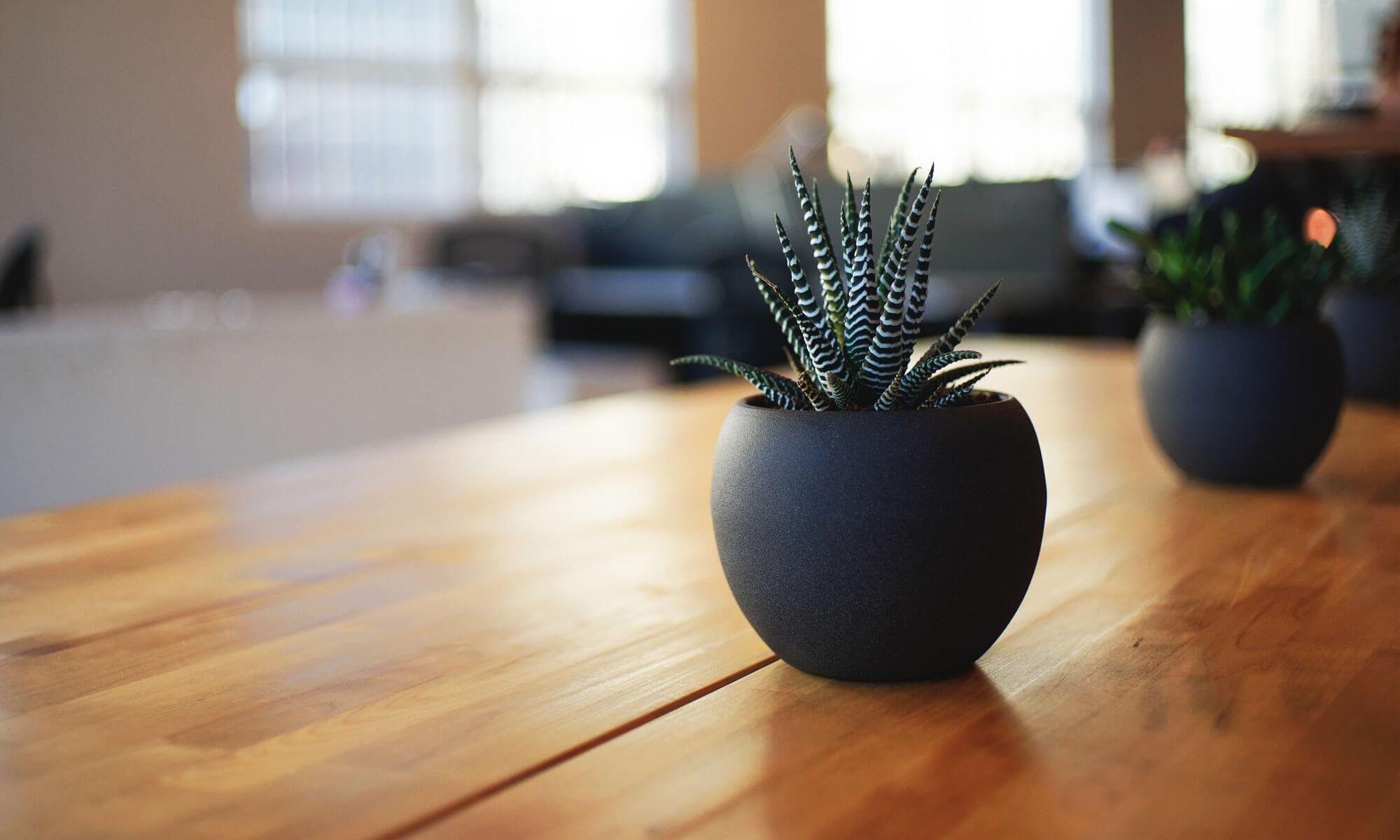
- Inspiration for interiors with https://beluga1988.com and timeless design elements
- The Enduring Appeal of Scandinavian Design
- Incorporating Hygge into Your Home
- The Resurgence of Mid-Century Modern
- Sourcing Authentic Mid-Century Pieces
- The Importance of Lighting in Interior Design
- Layering Lighting for Optimal Effect
- Creating a Harmonious Color Palette
- Extending Design Principles Outdoors: Seamless Integration
Inspiration for interiors with https://beluga1988.com and timeless design elements
Creating a welcoming and aesthetically pleasing interior often involves drawing inspiration from various sources. Modern design trends frequently revisit classic elements, blending the old with the new to achieve a timeless look. For those seeking inspiration and quality furnishings, exploring resources like https://beluga1988.com can be a valuable starting point. The right pieces, carefully selected, can transform a house into a home, reflecting personal style and creating a comfortable and inviting atmosphere. Thoughtful interior design isn't just about appearances; it's about crafting spaces that enhance daily life and wellbeing.
The beauty of interior design lies in its subjective nature, allowing for endless possibilities and creative expression. Whether you prefer minimalist aesthetics, cozy rustic charm, or bold contemporary statements, the key is to curate a space that resonates with your personality and lifestyle. Focusing on functionality alongside aesthetics is paramount; a well-designed room should be both beautiful and practical, facilitating seamless living. Resources which showcase curated collections, like those available online, can assist in visualizing these possibilities and finding the perfect elements to realize your design vision.
The Enduring Appeal of Scandinavian Design
Scandinavian design continues to be a dominant force in modern interiors, and for good reason. Its core principles – simplicity, functionality, and connection to nature – resonate deeply with contemporary lifestyles. This style emphasizes clean lines, neutral color palettes, and the use of natural materials like wood, linen, and wool. The focus isn't on ostentatious displays of wealth or trend-driven embellishments, but rather on creating a serene and harmonious environment. The emphasis on light, achieved through large windows and the strategic use of mirrors, is another hallmark of Scandinavian design, particularly important in regions with long, dark winters. It’s a style that prioritizes coziness and ‘hygge’—a Danish concept encompassing a feeling of warmth, comfort, and wellbeing.
Incorporating Hygge into Your Home
Creating a ‘hygge’ atmosphere is about more than just aesthetics, it is about cultivating a feeling. It’s about embracing simplicity and finding joy in the everyday moments. Think layered textures—a chunky knit blanket draped over a sofa, sheepskin rugs underfoot, and soft lighting from candles or lamps. Natural materials play a key role; wood tones and organic fabrics contribute to the overall sense of warmth and tranquility. Don’t be afraid to incorporate personal touches – family photos, treasured books, or handmade crafts – to create a space that truly feels like your own. The idea is to make your home a sanctuary from the outside world, a place where you can relax, recharge, and connect with loved ones.
| Design Style | Key Characteristics |
|---|---|
| Scandinavian | Simplicity, functionality, natural materials, light color palettes |
| Mid-Century Modern | Clean lines, organic shapes, wood tones, vibrant accents |
| Bohemian | Eclectic mix of colors and patterns, natural textures, vintage finds |
| Minimalist | Extreme simplicity, neutral colors, decluttered spaces |
Successfully blending design styles often comes down to understanding the core principles of each and finding ways to create visual harmony. For example, pairing the clean lines of Scandinavian furniture with the vibrant textiles of a Bohemian aesthetic can create a space that feels both relaxed and sophisticated. A crucial aspect of this is maintaining a sense of balance – avoiding overwhelming the space with too many competing elements. Ultimately, the goal is to create a space that reflects your personal aesthetic and feels comfortable and inviting.
The Resurgence of Mid-Century Modern
Mid-Century Modern design, popular from the 1940s through the 1960s, has experienced a significant resurgence in recent years. Its emphasis on clean lines, organic shapes, and the use of natural materials continues to appeal to design enthusiasts. Iconic pieces like Eames chairs, tulip tables, and credenzas are highly sought after, often serving as focal points in modern interiors. The style’s enduring appeal lies in its versatility; it can be adapted to a variety of spaces and complements a range of other design aesthetics. Furthermore, the emphasis on functionality— furniture that is not only beautiful but also practical—is particularly relevant in contemporary homes. This era propelled a focus on open-plan living, aiming to create more social and interconnected spaces within the home.
Sourcing Authentic Mid-Century Pieces
Acquiring authentic Mid-Century Modern furniture can be a rewarding but challenging endeavor. Vintage stores, antique shops, and online marketplaces are all potential sources, but it's essential to be discerning. Look for pieces made by reputable designers or manufacturers, and pay close attention to the quality of materials and construction. Be prepared to invest in restoration or reupholstery if necessary. Alternatively, many contemporary furniture brands now offer Mid-Century inspired designs that capture the aesthetic without the cost or rarity of original pieces. This allows for a similar feel while ensuring the furniture meets modern standards for comfort and durability.
- Consider the scale of the furniture in relation to the space.
- Focus on quality materials and construction.
- Don't be afraid to mix and match vintage and contemporary pieces.
- Pay attention to the color palette and ensure it complements the overall design scheme.
- Prioritize comfort and functionality alongside aesthetics.
Integrating vintage finds with contemporary elements creates a dynamic and layered look. One of the best advantages of exploring styles like Mid-Century Modern is the opportunity to invest in pieces destined to stand the test of time. Rather than chasing fleeting trends, these enduring designs provide an established foundation for interior styling. Websites, like https://beluga1988.com, sometimes curate selections that echo these classic aesthetics, offering a modern take on timeless designs.
The Importance of Lighting in Interior Design
Lighting is often underestimated, yet it plays a crucial role in shaping the mood and functionality of a space. Effective lighting goes beyond simply illuminating a room; it highlights architectural features, creates ambiance, and enhances the overall aesthetic. Combining different types of lighting—ambient, task, and accent—is essential for creating a well-lit and versatile space. Ambient lighting provides overall illumination, task lighting focuses on specific areas for activities like reading or cooking, and accent lighting draws attention to artwork or focal points. The use of dimmers allows for greater control over the intensity of light, enabling you to adapt the atmosphere to different needs and occasions. Carefully considered lighting can transform a space from stark and uninviting to warm and welcoming.
Layering Lighting for Optimal Effect
Layering your lighting is a key technique for achieving a balanced and visually appealing effect. Start with ambient lighting—recessed lights, chandeliers, or pendant fixtures—to provide general illumination. Then, add task lighting—desk lamps, under-cabinet lights, or floor lamps—to illuminate specific areas where tasks are performed. Finally, incorporate accent lighting—spotlights, wall sconces, or picture lights—to highlight architectural features or artwork. Consider the color temperature of your light bulbs; warm white light creates a cozy and inviting atmosphere, while cool white light is better suited for task-oriented spaces. Experiment with different combinations to find what works best for your space and personal preferences.
- Start with ambient lighting to provide overall illumination.
- Add task lighting for specific activities.
- Incorporate accent lighting to highlight focal points.
- Use dimmers to control light intensity.
- Consider the color temperature of your light bulbs.
Selecting the appropriate light fixtures is as significant as the overall lighting scheme. The style of the fixtures should complement the room's décor and contribute to the desired aesthetic. Modern fixtures often feature sleek lines and minimalist designs, while traditional fixtures may incorporate ornate details and classic materials. Remember to consider the size of the fixture in relation to the space, ensuring it's neither too large nor too small. A well-chosen light fixture can function as both a functional element and a statement piece, adding personality and style to the room.
Creating a Harmonious Color Palette
Color plays a powerful role in shaping our emotions and perceptions of space. Choosing a harmonious color palette is essential for creating a cohesive and inviting interior. Start by identifying a dominant color—a neutral shade like gray, beige, or white—and then build your palette around it. Add complementary colors—those that sit opposite each other on the color wheel—to create visual interest and contrast. Analogous colors—those that sit next to each other on the color wheel—create a more harmonious and calming effect. Don’t be afraid to experiment with different combinations, but always consider the overall mood you want to create. A calming bedroom might benefit from a palette of soft blues and greens, while a vibrant living room might embrace bolder shades of orange and yellow.
Color psychology is a valuable tool to consider when selecting your palette. Blues and greens are often associated with tranquility and relaxation, while reds and oranges evoke energy and excitement. Yellow is often associated with optimism and creativity, while purples are linked to luxury and sophistication. The amount of natural light in a room can also influence how colors appear. Colors tend to look brighter and more vibrant in rooms with plenty of natural light, while darker colors can make a small space feel more intimate and cozy. Resources like color swatches and online palette generators can assist in the color selection process. Ultimately, the best color palette is one that reflects your personal taste and creates a space where you feel comfortable and inspired.
Extending Design Principles Outdoors: Seamless Integration
The boundary between indoor and outdoor living is becoming increasingly blurred, and extending your interior design principles to your outdoor spaces can create a more cohesive and inviting home. Consider the materials, colors, and textures you’ve used inside and carry them through to your patio, deck, or garden. Outdoor furniture should complement your indoor style, and outdoor lighting can create a similar ambiance to your indoor lighting scheme. Plants and landscaping can also play a vital role in extending your design aesthetic; selecting plants with complementary colors and textures can create a harmonious transition between indoors and outdoors. Creating a seamless integration between these spaces maximizes living area and promotes a relaxed, connected lifestyle. The possibilities for expansion and creating a personalized oasis are endless.
Furthermore, thinking about usability is key. Durable, weather-resistant materials are crucial for outdoor furniture and décor. Consider adding shading elements – such as pergolas, umbrellas, or awnings – to provide protection from the sun. An outdoor kitchen or dining area can further extend the functionality of your outdoor space, making it a true extension of your home. Exploring styles offered by sites such as https://beluga1988.com, can help present new ideas to bring the inside, outside. By carefully considering these elements, you can create an outdoor space that is both beautiful and functional, seamlessly integrated with your interior design scheme.