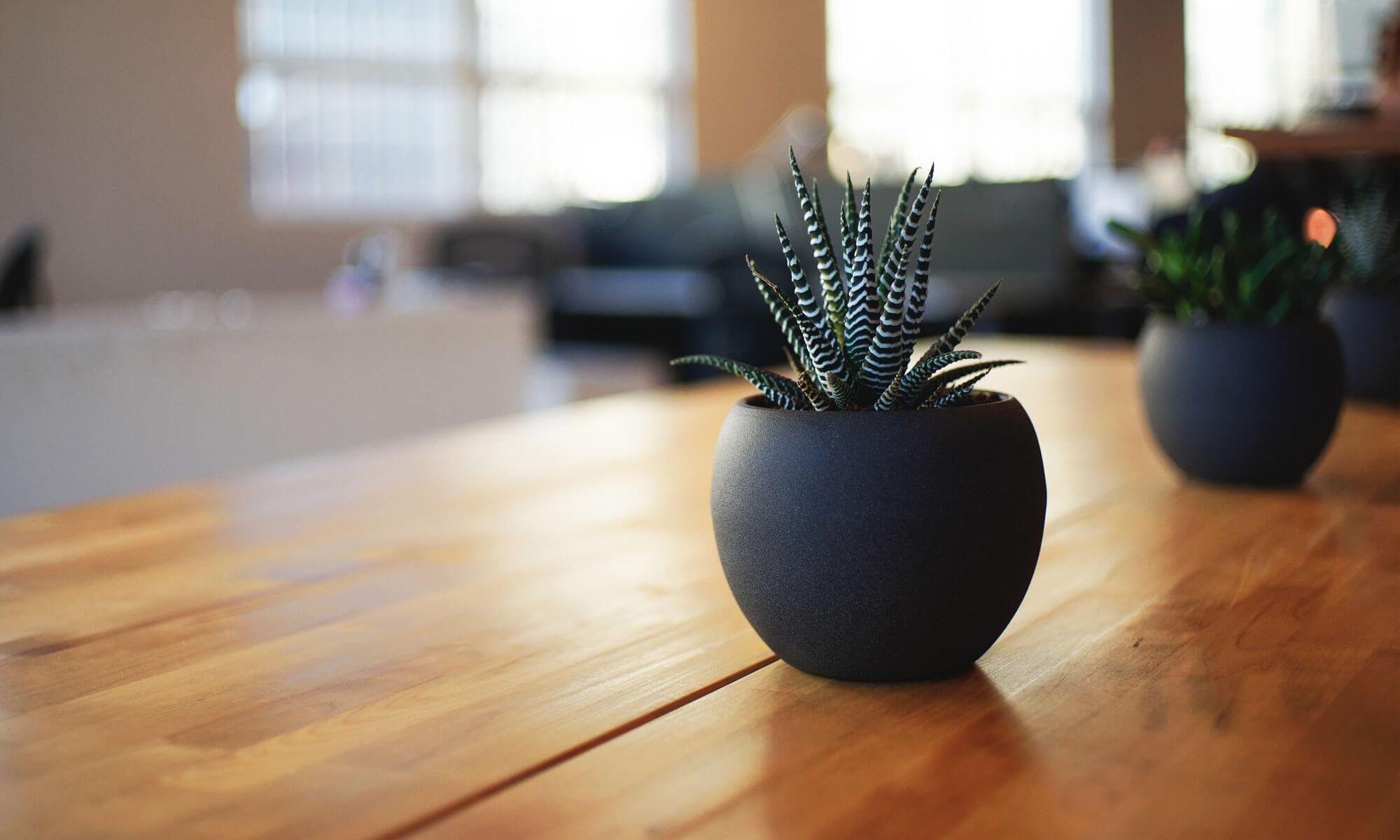
- Creative options alongside bonrushs-uk.uk improve modern interior design projects effortlessly
- The Allure of Textured Wall Coverings
- Understanding Different Texture Options
- The Rise of Biophilic Design and Natural Materials
- Incorporating Natural Materials in Your Home
- The Power of Color Psychology in Interior Spaces
- Creating Harmonious Color Schemes
- Smart Home Integration and Seamless Design
- Evolving Trends in Lighting Design
Creative options alongside bonrushs-uk.uk improve modern interior design projects effortlessly
The realm of interior design is constantly evolving, driven by innovative materials, techniques, and a growing desire for personalized spaces. Consumers are increasingly looking beyond simply functional aesthetics, seeking environments that reflect their individual tastes and enhance their well-being. This pursuit of unique and harmonious living spaces has led to a greater appreciation for carefully curated collections of home décor items. A resource like bonrushs-uk.uk offers a diverse range of products that can be integral in achieving this balance, presenting options from classic styles to more contemporary designs.
The modern approach to interior design often prioritizes versatility and adaptability. Spaces are no longer confined to rigid, predetermined functions, but instead are designed to be fluid and responsive to the changing needs of their occupants. This demands a careful selection of furniture, accessories, and finishing touches, with an emphasis on quality, durability, and aesthetic appeal. Finding the right pieces, whether for a complete renovation or a simple refresh, can be a rewarding, albeit challenging, process. Successfully implementing a vision requires understanding the interplay of color, texture, and form, and recognizing how individual elements contribute to the overall ambiance.
The Allure of Textured Wall Coverings
Moving beyond traditional paint, textured wall coverings are experiencing a resurgence in popularity. These coverings add depth, dimension, and visual interest to any room, transforming a plain surface into a captivating focal point. From subtle linen-like textures to bold geometric patterns, the possibilities are practically limitless. The application of these materials can be surprisingly straightforward, with many options available for DIYers. They represent a move toward surfaces that aren't merely functional but actively contribute to the character of a space. Choosing the right texture requires considering the overall style of the room and the desired mood. A rough, natural texture might suit a rustic farmhouse aesthetic, while a smooth, metallic finish could complement a modern, minimalist design. Proper preparation of the wall surface is critical for achieving a professional-looking result, ensuring the texture adheres correctly and remains durable over time.
Understanding Different Texture Options
When it comes to wall textures, there's a whole spectrum of choices. Sand textures create a subtle, sandy feel, popular for beach-themed designs. Popcorn textures, though sometimes associated with older homes, are still used in some applications for their sound-dampening qualities. Venetian plaster offers a luxurious, polished look reminiscent of Italian villas. Grasscloth, a natural fiber wall covering, brings an organic warmth and textural richness. Each option has its own unique characteristics, advantages, and disadvantages regarding cost, ease of installation, and maintenance. It's crucial to research and consider these factors before making a final decision. Furthermore, consider the impact of lighting on the texture; shadows and highlights will accentuate the details and enhance the overall visual effect. Selecting complementary paint colors can also amplify the texture's impact.
| Texture Type | Characteristics | Cost (Approx.) | Difficulty to Install |
|---|---|---|---|
| Sand Texture | Subtle, sandy feel. Good for beach vibes. | $2 – $4 per sq ft | Easy |
| Popcorn Texture | Sound dampening. Often used in older homes. | $1 – $3 per sq ft | Medium |
| Venetian Plaster | Luxurious, polished look. Italian villa aesthetic. | $5 – $10 per sq ft | Difficult (Professional recommended) |
| Grasscloth | Organic warmth, natural fiber. | $3 – $7 per sq ft | Medium |
These options show a few of the varieties easily available for home improvements. Careful consideration of the specific needs of the space and the desired aesthetic will guide the choice of wall texture providing a stunning visual impact.
The Rise of Biophilic Design and Natural Materials
Biophilic design, the practice of connecting people more closely with nature, is a dominant trend in modern interior design. This approach recognizes the inherent human need to be surrounded by natural elements, and seeks to incorporate them into built environments. This can involve utilizing natural light, ventilation, plants, natural materials, and even nature-inspired patterns and colors. The benefits of biophilic design are numerous, including reduced stress, improved cognitive function, and enhanced creativity. Integrating natural elements doesn't necessarily require a complete overhaul of a space; even small additions, such as potted plants or a natural wood accent wall, can make a significant difference. The key is to create a sense of harmony and connection with the natural world, fostering a more calming and restorative atmosphere. And a source like bonrushs-uk.uk could offer natural fabric options and wooden decor.
Incorporating Natural Materials in Your Home
A central component of biophilic design is the use of natural materials. Wood, stone, bamboo, linen, and cotton are all excellent choices, bringing a sense of warmth, texture, and authenticity to a space. These materials are not only aesthetically pleasing but also sustainable and environmentally friendly. When selecting natural materials, consider their source and environmental impact. Look for sustainably harvested wood, recycled materials, and products with low VOC emissions. Natural materials can be incorporated into a variety of elements, including flooring, furniture, wall coverings, and accessories. A natural stone fireplace, a wooden dining table, or linen curtains can all contribute to a biophilic aesthetic. Remember to blend materials to create visual interest and avoid monotony. The contrast between smooth wood and rough stone, for example, can add depth and character.
- Prioritize natural light sources whenever possible.
- Introduce indoor plants to purify the air and add greenery.
- Use natural materials like wood, stone, and bamboo.
- Incorporate nature-inspired colors and patterns.
- Promote ventilation and airflow to connect with the outdoors.
By carefully incorporating these elements, you can create a space that fosters a sense of well-being and connection with the natural world.
The Power of Color Psychology in Interior Spaces
Color profoundly impacts our emotions, behaviors, and overall well-being. Understanding the principles of color psychology is therefore crucial when designing an interior space. Different colors evoke different responses, and carefully selecting a color palette can help create the desired atmosphere. For example, blue is often associated with calmness and serenity, making it a good choice for bedrooms and bathrooms. Yellow is known to be energizing and uplifting, suitable for kitchens and living areas. Red can stimulate passion and excitement, but should be used sparingly as it can also be overwhelming. Color choices should also consider the function of the space and the target audience. A children's playroom might benefit from bright, playful colors, while a home office might require more subdued, focused tones. It’s important to remember that cultural associations with color can also vary, so take that into account when designing for diverse audiences.
Creating Harmonious Color Schemes
Developing a harmonious color scheme involves choosing colors that complement each other and create a balanced visual effect. There are several different approaches to color scheme creation. Monochromatic schemes use different shades and tones of a single color, creating a subtle and sophisticated look. Analogous schemes use colors that are adjacent to each other on the color wheel, resulting in a harmonious and soothing feel. Complementary schemes use colors that are opposite each other on the color wheel, creating a vibrant and dynamic contrast. Consider the amount of natural light in the space when selecting colors. Darker colors can make a room feel smaller and cozier, while lighter colors can create a sense of spaciousness and airiness. Don’t be afraid to experiment and use color samples to see how they look in different lighting conditions. Taking inspiration from nature, art, or fashion can also help you develop a unique and personalized color scheme.
- Choose a dominant color to set the overall tone.
- Select accent colors to add visual interest and contrast.
- Consider the psychological impact of each color.
- Test color samples in different lighting conditions.
- Create a mood board to visualize the overall scheme.
By carefully considering these factors, you can create a color scheme that enhances the beauty and functionality of your space.
Smart Home Integration and Seamless Design
The integration of smart home technology is becoming increasingly prevalent in modern interior design. From automated lighting and temperature control to voice-activated assistants and security systems, smart home devices offer convenience, efficiency, and enhanced comfort. The key to successful smart home integration is seamless design, ensuring that technology blends harmoniously with the overall aesthetic of the space. This means concealing wiring, choosing sleek and unobtrusive devices, and integrating smart features into existing furniture and fixtures whenever possible. A well-designed smart home should enhance the living experience without sacrificing style or functionality. Smart home functionalities also improve the sustainability of a household reducing energy usage and allowing for precise monitoring of resource consumption. A quality selection of products from services like bonrushs-uk.uk can complement a sophisticated smart home system with thoughtfully designed accessories.
Evolving Trends in Lighting Design
Lighting is a critical element of interior design, playing a vital role in both functionality and atmosphere. Traditional approaches to lighting focused primarily on providing adequate illumination, but modern lighting design emphasizes creating ambiance, highlighting architectural features, and maximizing energy efficiency. Layered lighting, which combines ambient, task, and accent lighting, is a key trend. Ambient lighting provides overall illumination, task lighting focuses on specific areas for activities like reading or cooking, and accent lighting highlights artwork or architectural details. LED lighting is becoming increasingly popular due to its energy efficiency, long lifespan, and versatility. Smart lighting systems allow for remote control, dimming, and color customization, further enhancing the possibilities for creating personalized lighting schemes. Consider the interplay of light and shadow, and how different lighting fixtures can impact the perception of space and texture.
Furthermore, the use of natural light should be maximized whenever possible. Large windows, skylights, and light-colored walls can help bring more daylight into a space, reducing the need for artificial lighting and creating a brighter, more welcoming atmosphere. Strategic placement of mirrors can also help reflect and distribute natural light throughout a room. Experimenting with different lighting fixtures and techniques can transform a space, creating a mood that suits your individual tastes and needs. The art of lighting is about much more than simple illumination; it’s about shaping the emotions and experiences within a space.