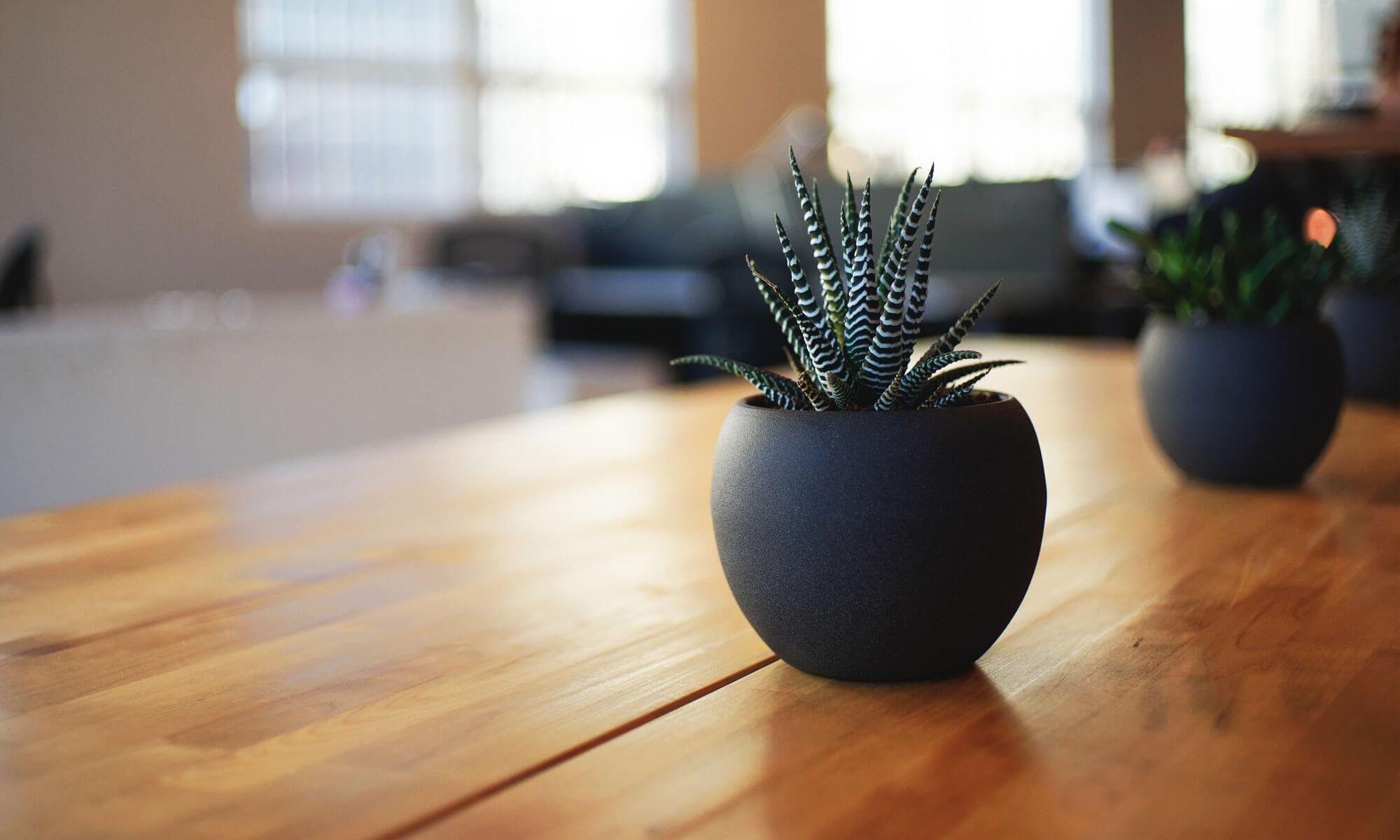
- Contemporary living spaces featuring https://thebonrush-uk.co.uk redefine modern comfort and style
- The Art of Space Planning and Furniture Selection
- Creating Zones Within Open-Plan Living Areas
- The Importance of Lighting in Contemporary Interiors
- Choosing the Right Light Fixtures
- Color Palettes and Material Textures for Modern Comfort
- Incorporating Natural Elements into Your Design
- Accessorizing and Personalizing Your Space
- Beyond Trends: Cultivating a Timeless Interior
Contemporary living spaces featuring https://thebonrush-uk.co.uk redefine modern comfort and style
The pursuit of comfortable and stylish living spaces is a constant evolution, shaped by changing lifestyles and design preferences. Contemporary homes are becoming increasingly focused on creating environments that promote well-being, functionality, and aesthetic appeal. Finding the right elements to achieve this balance can be challenging, but companies like https://thebonrush-uk.co.uk are dedicated to providing high-quality furnishings and accessories that help transform houses into true homes. The focus isn’t solely on aesthetics; it’s about creating spaces that nurture and inspire.
Modern living demands adaptability and versatility from our interiors. Open-plan layouts, multi-functional furniture, and a seamless integration of technology are all key features of contemporary design. Moreover, there's a growing emphasis on sustainable and ethically sourced materials, reflecting a desire to live in harmony with the environment. Choosing pieces that are not only beautiful but also durable and responsibly made is becoming increasingly important for homeowners. This holistic approach to interior design is where companies like the aforementioned one excel.
The Art of Space Planning and Furniture Selection
Effective space planning is the cornerstone of any successful interior design project. Before even considering furniture or décor, it's crucial to analyze the layout of the room, taking into account its dimensions, natural light sources, and existing architectural features. Consider how the space will be used – is it a formal living room for entertaining, a cozy family room for relaxation, or a multi-purpose area that needs to accommodate a variety of activities? Understanding the functional requirements of the space will guide your furniture selection and help you create a layout that is both practical and aesthetically pleasing. Don't be afraid to experiment with different arrangements, using furniture placement to define zones and create a sense of flow.
Creating Zones Within Open-Plan Living Areas
Open-plan living has become increasingly popular, but it can also present challenges in terms of defining distinct areas within a single space. Using rugs, furniture groupings, and changes in flooring can all help to delineate different zones. For example, a large area rug can anchor a seating area, while a strategically placed bookcase or room divider can create a sense of separation between the living room and dining area. Lighting also plays a crucial role in defining zones; consider using pendant lights over a dining table to visually separate it from the rest of the space. Choosing furniture that complements but doesn’t overwhelm the space is a key element in achieving a cohesive and functional open-plan layout.
| Furniture Piece | Ideal Space | Considerations |
|---|---|---|
| Sofa | Living Room/Family Room | Size, Fabric, Configuration (sectional, loveseat) |
| Dining Table | Dining Room/Kitchen | Shape, Size, Material, Number of Seats |
| Bed | Bedroom | Size, Mattress Type, Headboard Style |
| Desk | Home Office/Study | Size, Storage, Ergonomics |
Selecting furniture that complements the architecture of your home, and aligns with your personal style, is vital to crafting a cohesive and welcoming atmosphere. Focusing on quality pieces that offer both comfort and durability will provide years of enjoyment.
The Importance of Lighting in Contemporary Interiors
Lighting is often underestimated, yet it's one of the most impactful elements of interior design. Effective lighting can transform a space, creating a mood, highlighting architectural features, and enhancing the overall ambiance. Layering different types of lighting – ambient, task, and accent – is key to achieving a well-lit and functional space. Ambient lighting provides overall illumination, task lighting focuses on specific areas for activities like reading or cooking, and accent lighting highlights artwork or architectural details. Consider using dimmers to control the intensity of the light and create different moods. Natural light should also be maximized whenever possible, using sheer curtains and strategically placed mirrors to reflect and distribute sunlight throughout the room.
Choosing the Right Light Fixtures
The choice of light fixtures should complement the overall style of the interior. For a modern look, consider sleek and minimalist pendant lights, recessed lighting, and track lighting. For a more traditional aesthetic, chandeliers, table lamps, and wall sconces can add warmth and elegance. LED lighting is an energy-efficient and long-lasting option, offering a wide range of colors and brightness levels. When selecting light fixtures, consider the size and shape of the room, the height of the ceiling, and the overall design scheme. Pay attention to the color temperature of the light bulbs; warm white light creates a cozy and inviting atmosphere, while cool white light is better suited for task areas.
- Ambient lighting establishes the overall brightness.
- Task lighting aids specific activities.
- Accent lighting highlights focal points.
- Dimmer switches offer mood control.
Strategic use of lighting, coupled with the right fixtures, elevates a space from functional to truly inviting. Prioritizing both style and efficiency contributes to a harmonious environment.
Color Palettes and Material Textures for Modern Comfort
The color palette and material textures play a significant role in creating a comfortable and stylish interior. Neutral color palettes – grays, whites, beiges – are popular choices for contemporary homes, as they provide a versatile backdrop for layering in pops of color and texture. However, don't be afraid to experiment with bolder hues, especially as accent colors. Warm tones like terracotta and ochre can add a sense of warmth and coziness, while cool tones like blues and greens can create a calming and serene atmosphere. When it comes to materials, consider the tactile qualities as well as the visual appeal. Soft fabrics like velvet and linen add a touch of luxury, while natural materials like wood and stone bring warmth and texture. Mixing different materials and textures creates visual interest and adds depth to the space.
Incorporating Natural Elements into Your Design
Bringing the outdoors in is a key trend in contemporary interior design. Incorporating natural elements like plants, wood, stone, and natural fibers can create a sense of calm and connection to nature. Plants not only add visual appeal but also improve air quality and create a more inviting atmosphere. Wood furniture adds warmth and texture, while stone accents can create a grounding and organic feel. Natural fibers like cotton, linen, and wool are soft, comfortable, and sustainable. When incorporating natural elements, consider the overall color palette and style of the interior to ensure a cohesive and harmonious look. Consider materials sourced and offered by https://thebonrush-uk.co.uk.
- Start with a neutral base palette.
- Introduce pops of color with accessories.
- Mix different textures for visual interest.
- Incorporate natural elements for a calming effect.
Choosing materials and colors that evoke a sense of tranquility and well-being is crucial for creating a comfortable living space. Prioritizing sustainable choices adds another layer of value.
Accessorizing and Personalizing Your Space
Accessories are the finishing touches that bring a room to life and reflect your personal style. Artwork, rugs, cushions, throws, and decorative objects can add pops of color, texture, and personality. When selecting accessories, consider the overall style of the interior and choose pieces that complement the color palette and design scheme. Don't be afraid to mix and match different styles and textures to create a unique and eclectic look. Personal touches, such as family photos, travel souvenirs, and handmade items, can add warmth and character to the space. Less is often more when it comes to accessorizing; avoid cluttering the space with too many items. Focus on quality over quantity, and choose pieces that you truly love.
The art of curation is essential when it comes to accessorizing. Each item should tell a story and contribute to the overall aesthetic of the room. Consider the scale and proportion of accessories in relation to the furniture and the space itself. A large statement rug can anchor a seating area, while a collection of smaller decorative objects can add visual interest to a bookshelf. Don't be afraid to rearrange accessories periodically to keep the space feeling fresh and dynamic. Accessorizing is an ongoing process that allows you to evolve your interior design over time and reflect your changing tastes.
Beyond Trends: Cultivating a Timeless Interior
While it’s easy to get caught up in the latest interior design trends, cultivating a timeless interior focused on comfort and personal expression is ultimately more rewarding. Prioritize quality craftsmanship, durable materials, and classic design principles that transcend fleeting fashions. Neutral color palettes, well-made furniture, and thoughtful lighting are all elements that contribute to a timeless aesthetic. Instead of trying to replicate a specific look, focus on creating a space that reflects your personality and lifestyle. Incorporate pieces that you love and that have sentimental value, regardless of whether they’re currently “on trend.” A truly timeless interior is one that feels comfortable, inviting, and authentically you.
Consider the longevity of your design choices. Investing in high-quality pieces that will withstand the test of time is often more cost-effective in the long run than constantly replacing trendy items. A well-designed interior should evolve gracefully over time, adapting to your changing needs and preferences without requiring a complete overhaul. The foundation of a timeless space lies in thoughtful planning, quality materials, and a commitment to creating a home that truly feels like your own sanctuary, potentially inspired by options available through platforms like https://thebonrush-uk.co.uk.