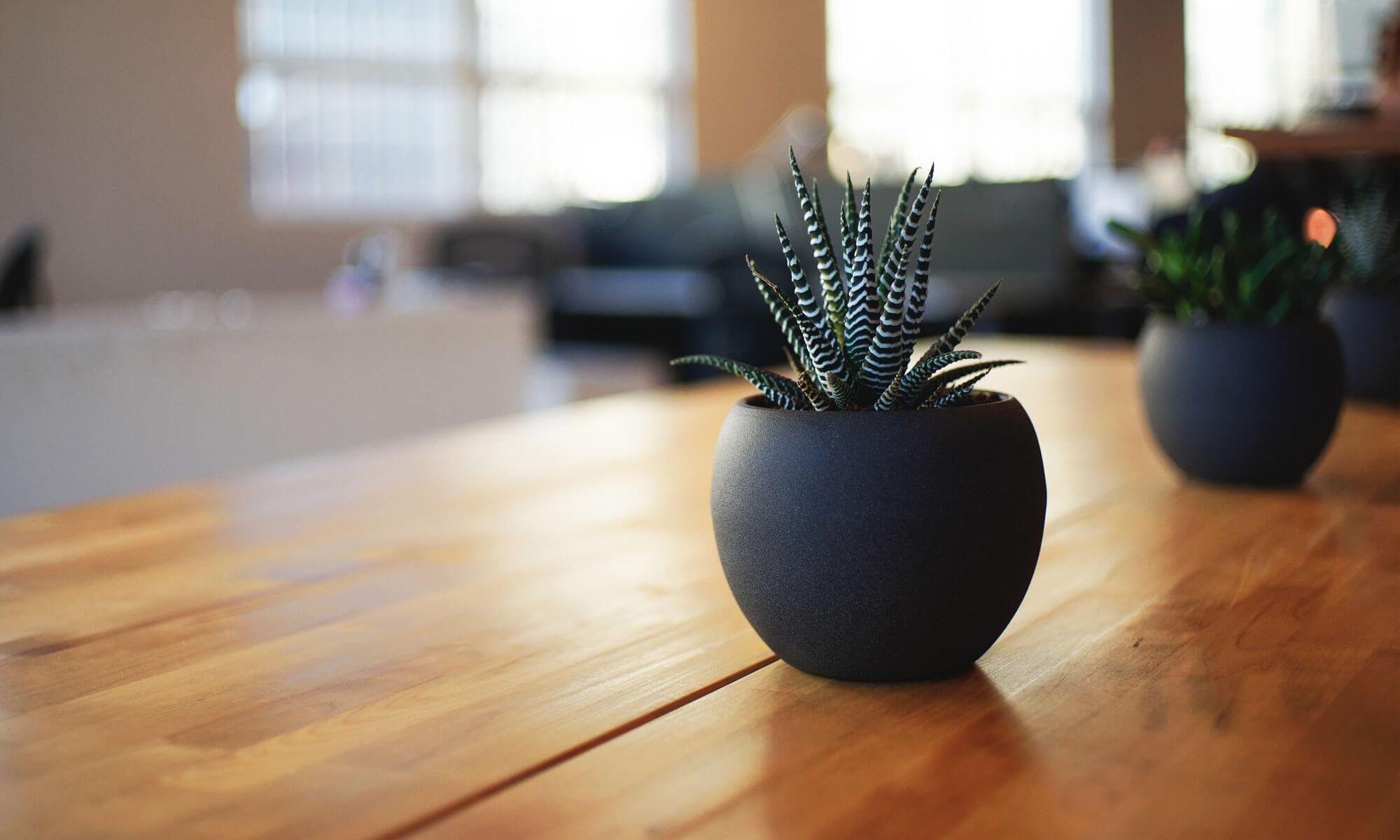
- Household staples including sisal rugs offer timeless style and lasting value
- Understanding the Origins and Production of Sisal
- Benefits of Choosing Sisal Rugs for Your Home
- Caring for and Maintaining Your Sisal Rug
- Exploring Different Styles and Designs of Sisal Rugs
- Beyond Flooring: Innovative Uses for Sisal
Household staples including sisal rugs offer timeless style and lasting value
When considering flooring and home décor options, natural fibers are increasingly popular choices for homeowners seeking both style and sustainability. Among these materials, sisal rugs stand out as a particularly versatile and appealing option. Their inherent durability, unique texture, and understated elegance make them suitable for a wide range of interior design aesthetics, from coastal chic to modern minimalist.
Sisal isn’t just about aesthetics, it’s a practical choice too. Derived from the leaves of the sisal plant, a succulent native to Mexico, these rugs are remarkably strong and resilient. This natural fiber offers a sustainable alternative to synthetic materials, appealing to environmentally conscious consumers. The growing demand for eco-friendly products has propelled sisal rugs into the spotlight, making them a staple in many homes today. They are known for their ability to withstand heavy foot traffic, making them ideal for busy areas of the home.
Understanding the Origins and Production of Sisal
The sisal plant, Agave sisalana, thrives in hot, dry climates, which explains its origins in Mexico and its later cultivation in regions of Brazil, Tanzania, and Kenya. Historically, the fibers were utilized for ropes and twines, particularly in maritime applications, due to their exceptional strength and resistance to saltwater damage. The process of extracting the fibers involves a labor-intensive, but ultimately rewarding, series of steps.
After the leaves are harvested, they undergo a decortication process, where the valuable fibers are separated from the woody tissue. Traditionally, this was done manually, but modern production often employs mechanical methods. These extracted fibers are then cleaned, sorted, and spun into yarn. The yarn is then woven or braided into the rugs we recognize in home décor. The quality of the sisal rug is directly related to the quality of the fibers and the craftsmanship involved in the production. Different weaving techniques contribute to variations in texture and durability, offering consumers a broad selection of options.
| Sisal Grade | Fiber Thickness | Typical Uses | Durability |
|---|---|---|---|
| Brahma | Coarse | Ropes, twine, matting | High |
| Grades 1 & 2 | Medium | Carpet, rugs, backing | Moderate to High |
| Suria | Fine | Paper, handicrafts, lighter rugs | Moderate |
The grading system for sisal fibers impacts the final product significantly. Higher grade sisal results in softer, more refined rugs, while lower grades offer increased durability for high-traffic areas. Understanding these differences allows consumers to choose a rug that perfectly suits their needs and lifestyle.
Benefits of Choosing Sisal Rugs for Your Home
The advantages of incorporating sisal rugs into your interior design are numerous. Beyond their aesthetically pleasing appearance, they offer a wealth of practical benefits. Sisal is inherently sustainable, being a rapidly renewable resource. The plant requires minimal water and pesticides to thrive, making it an environmentally responsible choice. Furthermore, sisal is biodegradable, reducing its environmental impact at the end of its lifespan. This is a key factor for many conscious consumers seeking eco-friendly alternatives.
Sisal rugs are also incredibly durable, capable of withstanding heavy foot traffic and maintaining their shape for years. This makes them a cost-effective long-term investment, particularly in comparison to synthetic rugs that may need replacing more frequently. The natural fibers have a unique texture underfoot that many people find appealing, offering a comforting and grounding sensation. They can also help to regulate humidity in a room, absorbing moisture from the air and creating a more comfortable living environment. The neutral tones commonly found in sisal rugs provide a versatile backdrop that complements a wide array of color schemes and design styles.
- Durability: Resistant to wear and tear, ideal for high-traffic areas.
- Sustainability: A renewable resource requiring minimal water and pesticides.
- Texture: Offers a unique and natural feel underfoot.
- Versatility: Complements a variety of décor styles.
- Biodegradability: Environmentally friendly at the end of its life.
Choosing a sisal rug is an investment in both style and sustainability. Their natural beauty and practical benefits make them a standout choice for any homeowner looking to create a warm, inviting, and eco-conscious living space. Careful consideration of the weave and grade of sisal can further enhance these advantages.
Caring for and Maintaining Your Sisal Rug
While sisal rugs are relatively low-maintenance, proper care is essential to ensure their longevity and preserve their natural beauty. Regular vacuuming is the most important aspect of sisal rug care. Use an upholstery attachment to avoid damaging the fibers. Avoid using beater bars, as these can fray the sisal. Spot cleaning is recommended for spills, using a mild soap and water solution. Blot the stain gently, working from the outside in, and avoid saturating the rug with liquid.
Sisal is susceptible to water stains, so it's crucial to address spills promptly. It’s also wise to avoid placing sisal rugs in areas prone to moisture, such as bathrooms or directly in front of doorways during inclement weather. Professional cleaning is recommended every 18-24 months to deep clean the fibers and remove embedded dirt. Protecting your sisal rug with a rug pad is another important step. A rug pad not only provides cushioning and prevents slipping, but also protects the rug from wear and tear by absorbing impact.
- Vacuum regularly with an upholstery attachment (no beater bar).
- Address spills immediately with a mild soap and water solution.
- Avoid excessive moisture and direct sunlight.
- Use a rug pad for protection and cushioning.
- Professional cleaning every 18-24 months.
Following these simple care guidelines will help you enjoy the beauty and durability of your sisal rug for years to come. Proper maintenance is key to retaining its natural texture and preventing premature wear, ensuring a lasting addition to your home.
Exploring Different Styles and Designs of Sisal Rugs
Sisal rugs aren't limited to a single aesthetic. They are available in a wide variety of styles, weaves, and colors to complement any interior design scheme. Natural, undyed sisal offers a classic, neutral look that works well with minimalist or bohemian décor. Sisal can also be dyed in a range of colors, from soft pastels to bold jewel tones, allowing for greater customization and design flexibility. The weave of the sisal also impacts the overall look and feel of the rug. Herringbone weaves create a sophisticated and textured appearance, while simpler plain weaves offer a more casual and relaxed vibe.
Beyond color and weave, sisal rugs can also be enhanced with borders or patterns. Adding a contrasting border can define the rug and create a focal point in a room. Patterns can be incorporated through weaving techniques or by applying stencils. Designers are increasingly experimenting with incorporating different natural fibers, like jute or wool, alongside sisal to add visual interest and varying textures. This blending creates rugs that are both visually appealing and exceptionally durable. Ultimately, the possibilities are endless when it comes to finding a sisal rug that reflects your personal style and enhances your living space.
Beyond Flooring: Innovative Uses for Sisal
While traditionally celebrated as flooring, the versatility of sisal extends far beyond the realm of rugs. Designers and homeowners are embracing innovative ways to incorporate this robust natural fiber into various aspects of home décor. Sisal is now being utilized for wall coverings, adding a textural element to interiors reminiscent of natural landscapes. The material’s durability makes it ideal for high-traffic areas, such as hallways or stairwells. It offers a unique alternative to traditional wallpaper, injecting warmth and character into any room.
Furniture upholstery is another burgeoning application of sisal. Chairs, ottomans, and even headboards are being adorned with sisal fabric, lending a natural, organic feel to the pieces. The naturally strong fibers can withstand wear and tear, making it a surprisingly practical choice for upholstery. Moreover, sisal is finding its way into accessories like baskets, placemats, and even lampshades. These smaller applications introduce a subtle touch of natural texture and reinforce a cohesive design aesthetic throughout the home. The growing trend toward biophilic design – incorporating natural elements into the built environment – is undoubtedly fueling the popularity of sisal in these diverse applications.